


Engaging with First Nations Communities
While Aboriginal and Torres Strait Islander peoples have diverse languages, cultures and customs, a shared foundation across Nations is a deep connection to Country and strong cultural responsibilities to care for land, waterways and community. Engagement processes can be significantly strengthened when First Nations voices, knowledge and perspectives are meaningfully included.
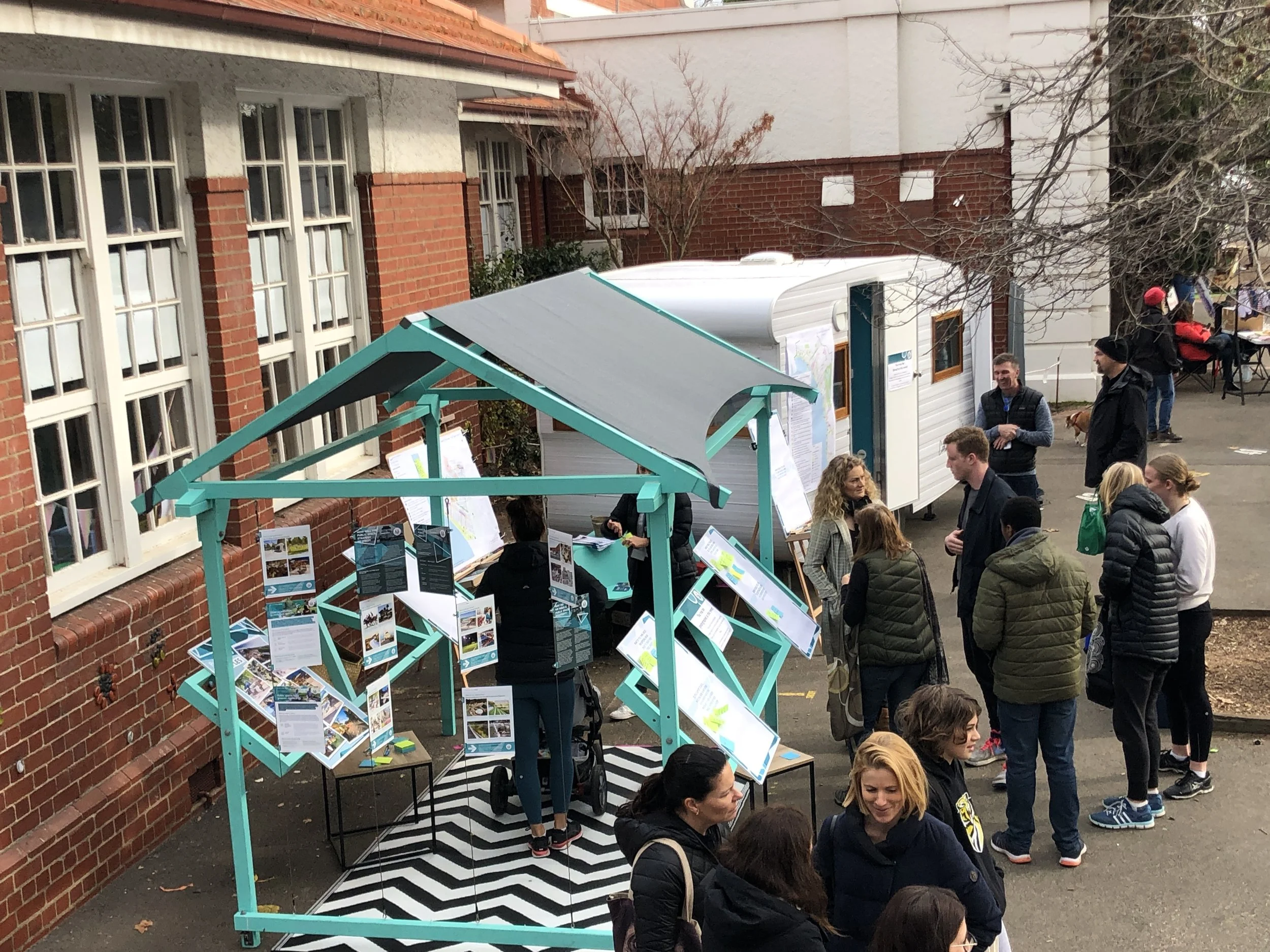
3 Trends That May Shape Community Engagement in 2026
The start of a new year is always a good time to look ahead. What challenges and opportunities might shape how we engage communities in 2026? And how these shifts might affect your organisation this year?
Here are a few key trends we think are worth paying attention to.
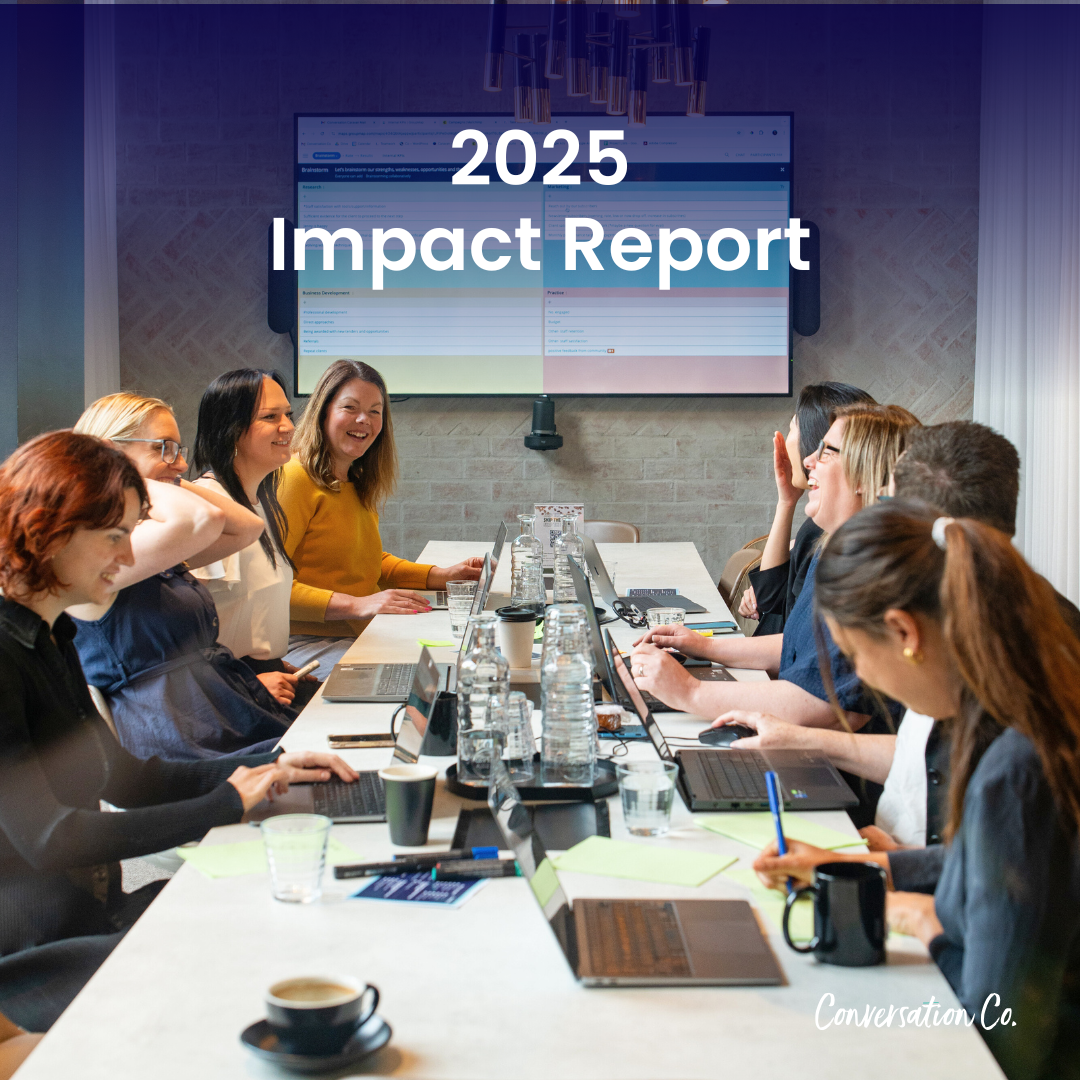
Impact Report 2025
At Conversation Co, 2025 was a year of deepening connections and expanding impact. We've taken time to reflect on our achievements, the challenges we navigated, and the lessons that will shape how we work in the upcoming years.
Sustainability and social responsibility remain central to our practice. We're committed to using our business as a force for good, creating tangible and lasting impacts for communities and the planet, one conversation at a time.
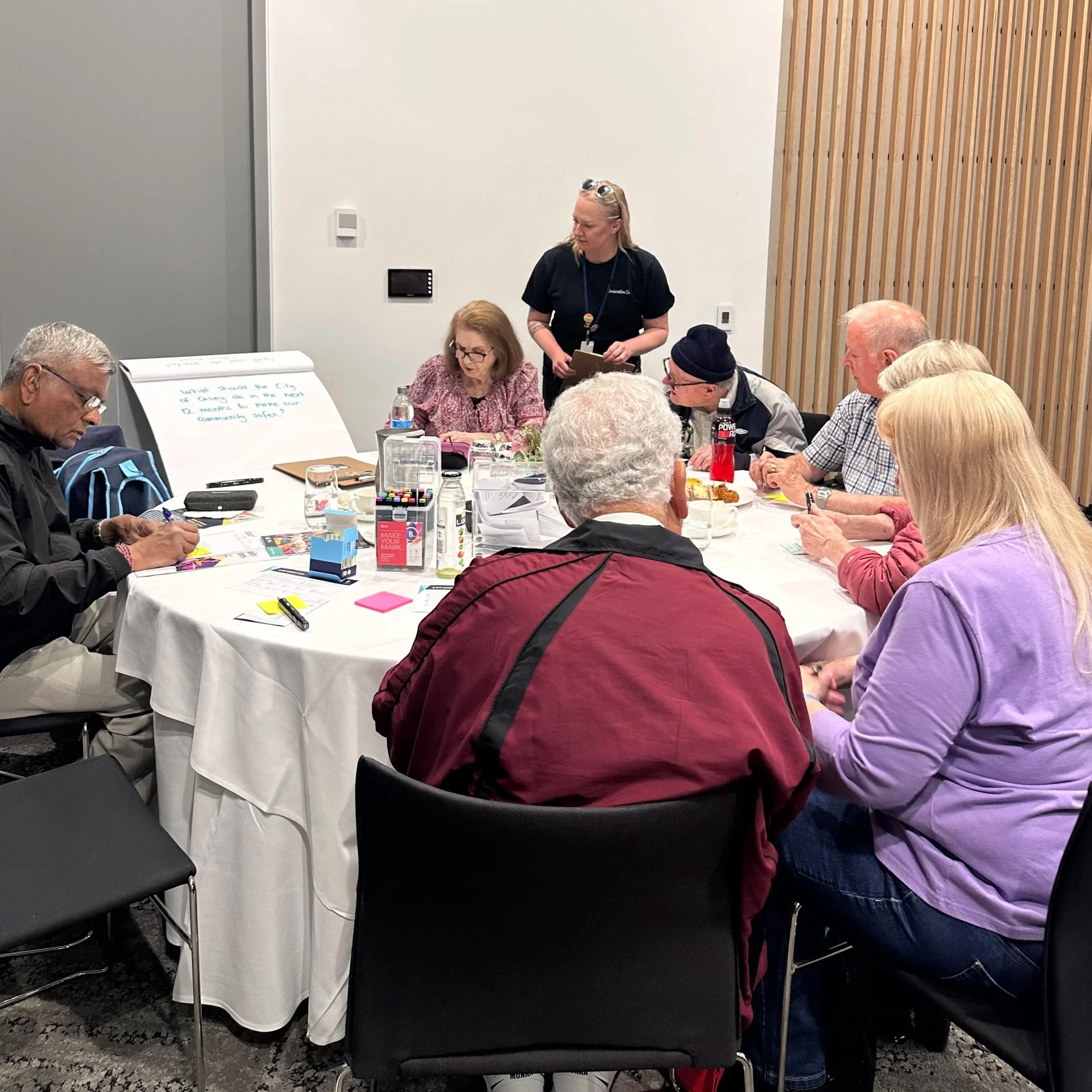
Communities of Practice
Outside of delivering high quality community engagement, Conversation Co loves the opportunity to build the capacity of organisations to deliver community engagement. We use a wide range of methods to do this include formalised training, one-off workshops, placing staff within organisations through Conversation People and developing communities of practice (CoP).

Revisiting Masterplans we helped shape: Where are they now?
Our team recently returned to the sites where Conversation Co supported the community engagement processes. We wanted to see: Did the vision hold? How is the community using the space? What lessons can we carry forward?
Read on for insights about the projects we helped shape, what the community envisioned back then, and what has changed now since the engagement.
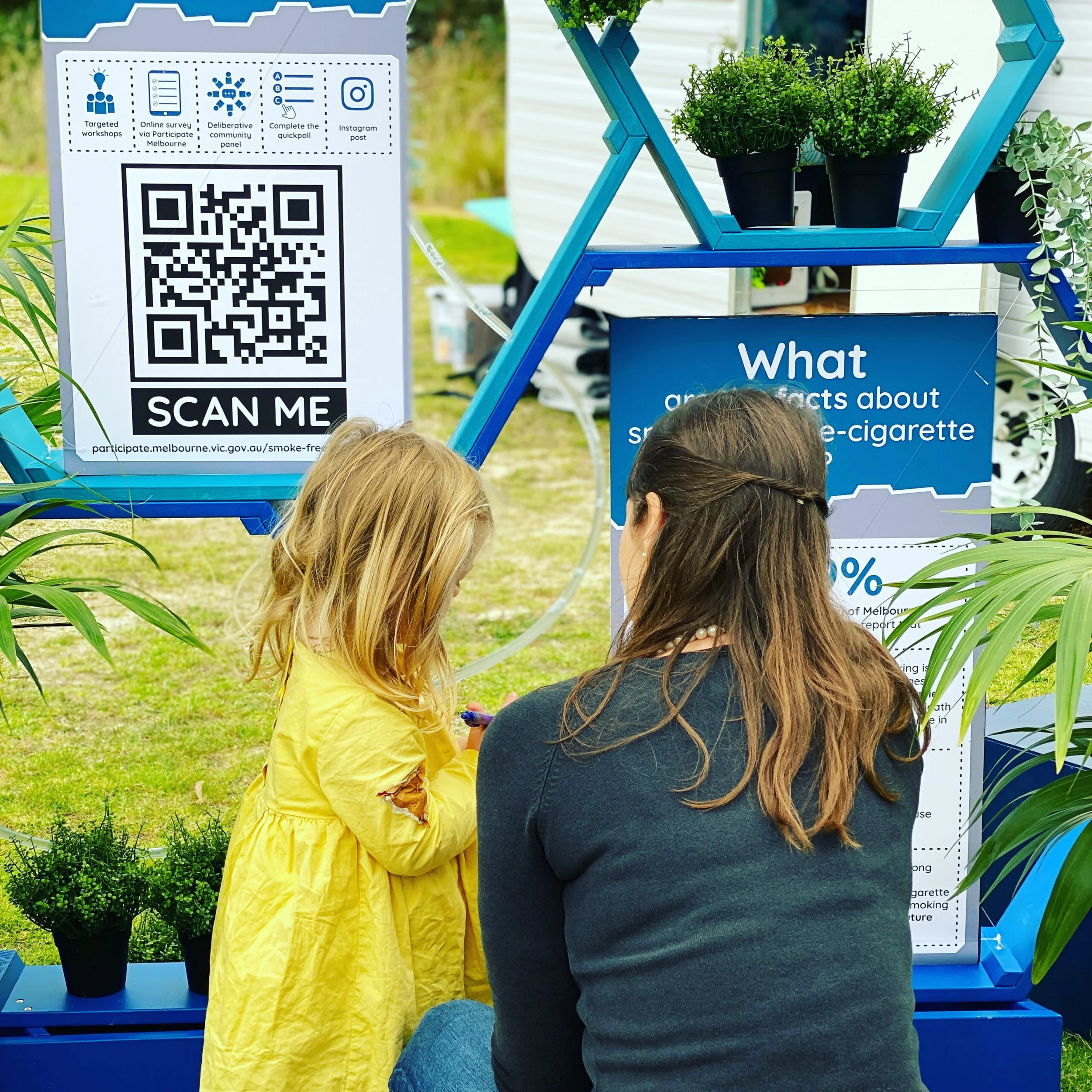
Towards Smoke Free and Vape Free Cities
From the original project Towards Smoke Free Melbourne policy to making the Queen Victoria Market a smoke and vape-free precinct, the message from the community is clear: it is time for cleaner air, healthier spaces and a more inclusive approach to public health.

Social Connection – What is it and how we can talk about it?
We often engage with communities with a lot of assumptions. We search for the "answer" to loneliness, lack of linkages into local neighbourhoods, knowing one's neighbours and being able to rely on them when needed.
But what is it and how can we talk about it – from a community engagement perspective?
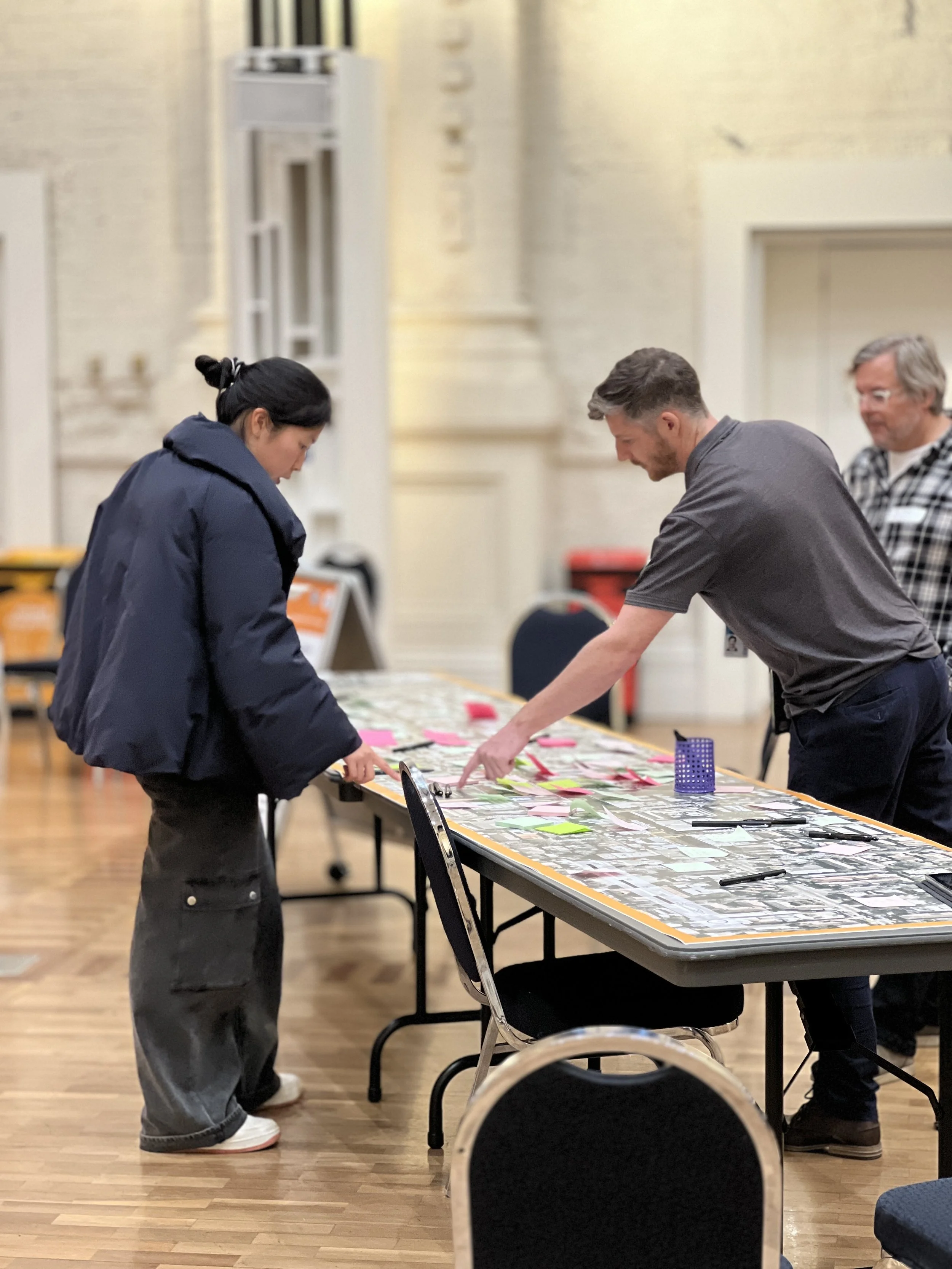
Case Study - Community Development and Strengthening
When communities lead their own development, projects are more sustainable, equitable, and successful. Whether it’s workshops, online forums, or casual meetups, our goal is to create spaces where everyone feels comfortable contributing.
Read more about our Community Development projects and impact.
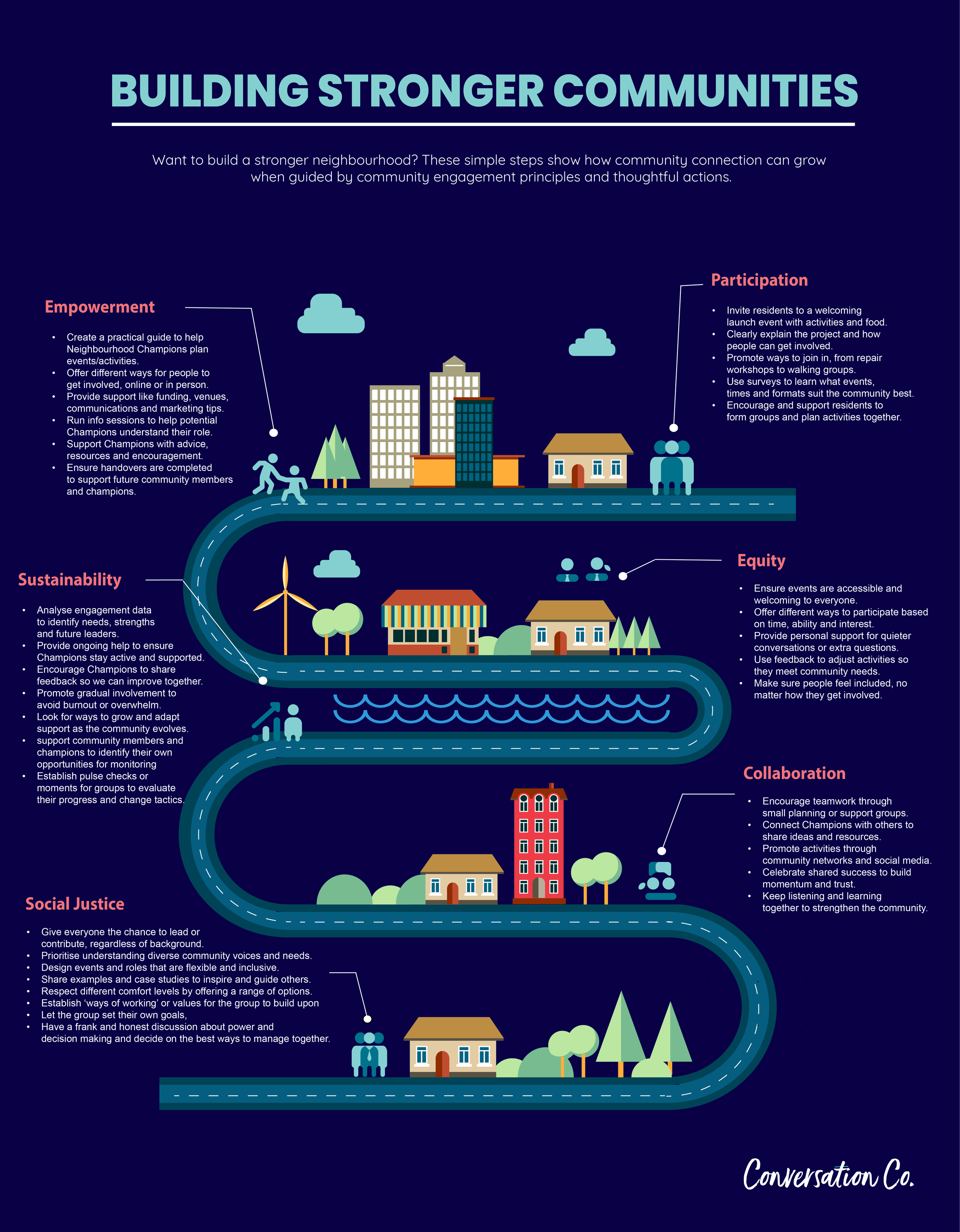
How Community Engagement Powers Stronger Communities
At Conversation Co, we often say strong communities don’t just happen, they’re built, one conversation at a time. At the heart of this process is community engagement.
But what exactly is it, and why does it matter so much for community development?
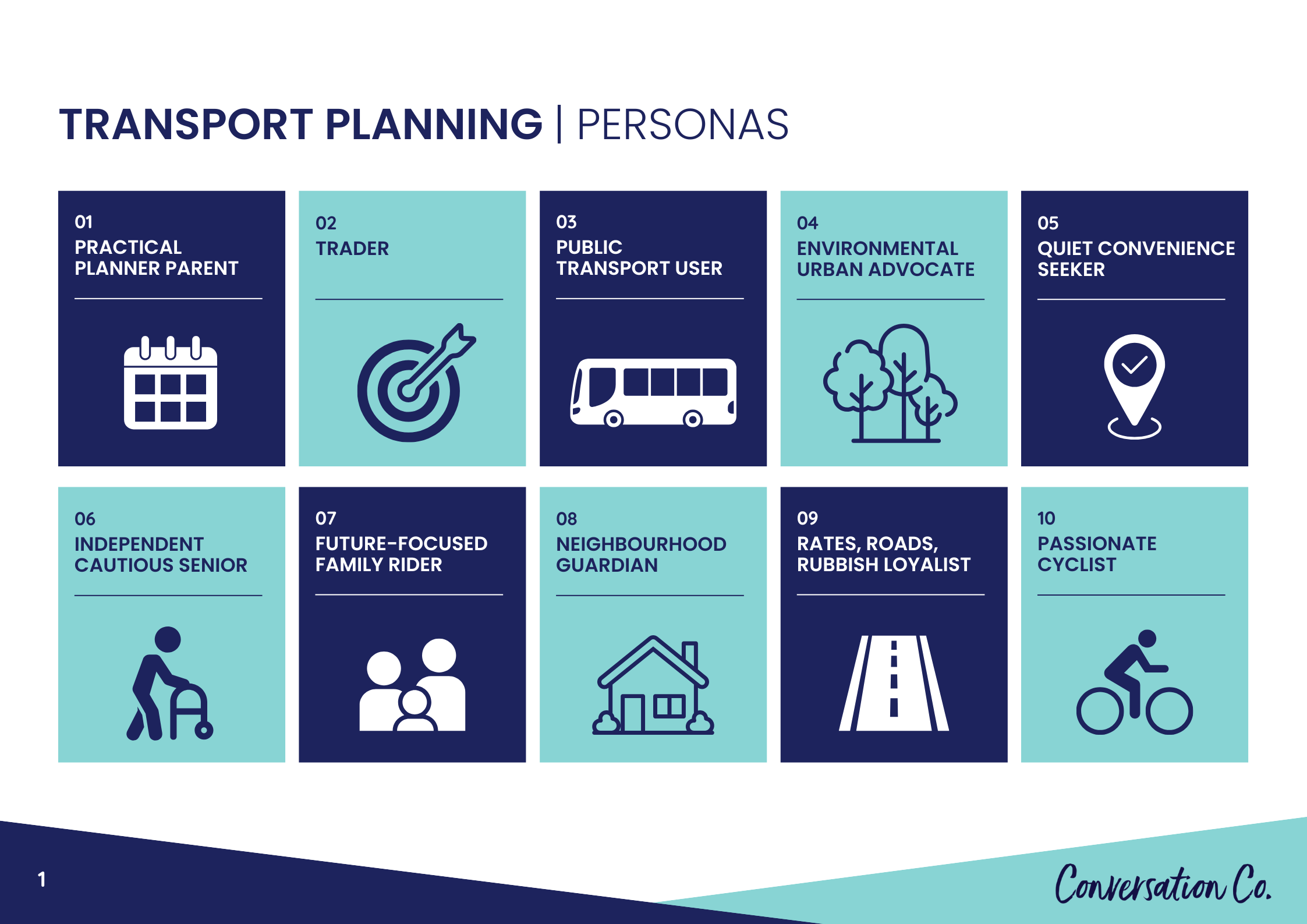
The Do’s and Don’ts of Engaging on Transport Planning
Transport planning is where lifestyle, livelihood, and identity collide. Whether you’re reducing parking, introducing new bike infrastructure, or improving walkability, changes to transport systems can spark joy - or outrage.
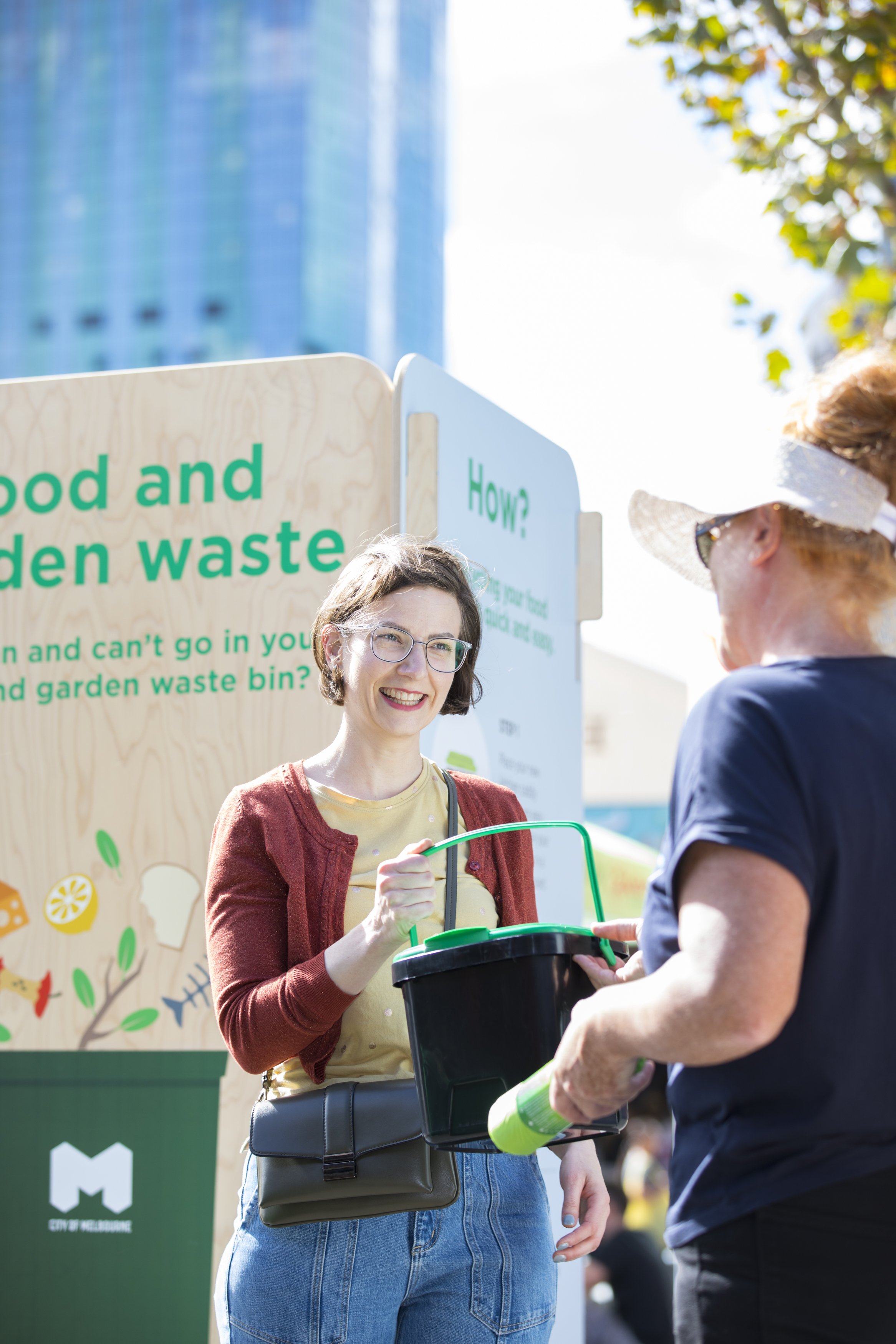
Case Study - Circular Economy
Transitioning to a circular economy isn’t just a technical challenge—it’s a cultural shift. Engaging communities, businesses, and policymakers early and often ensures waste initiatives are effective, inclusive, and built for long-term success.
Read our in-depth case studies on Circular Economy projects.
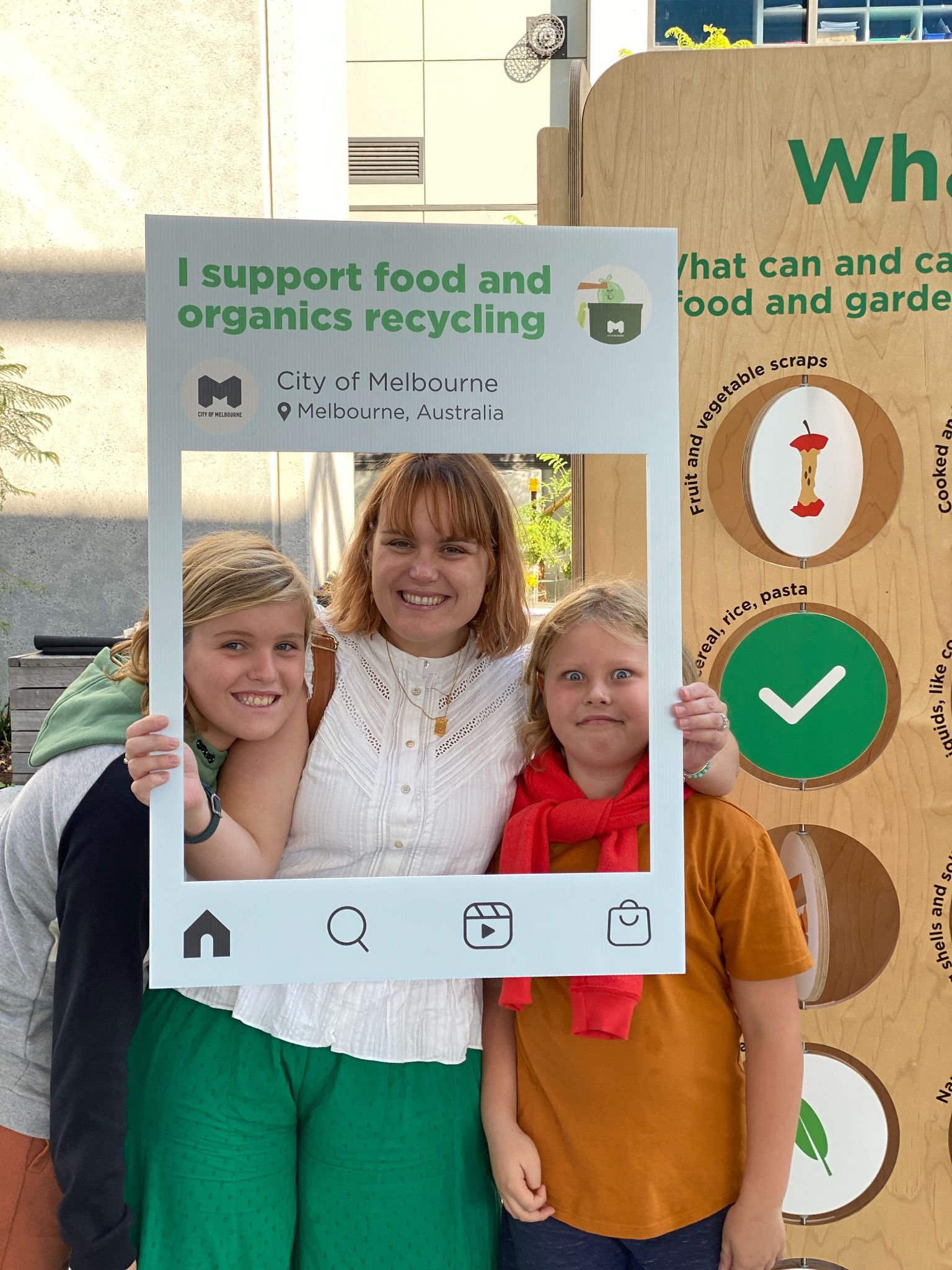
Stakeholder Guide - Engaging Communities in Circular Economy
Circular economy is a broad and interconnected model that relies upon numerous stakeholders. But for the complex nature of modern supply chains it can be challenging for local communities, consumers, and businesses to implement effectively. Using community engagement in circular economy projects is essential to untangle this web and get consumers and households on board.
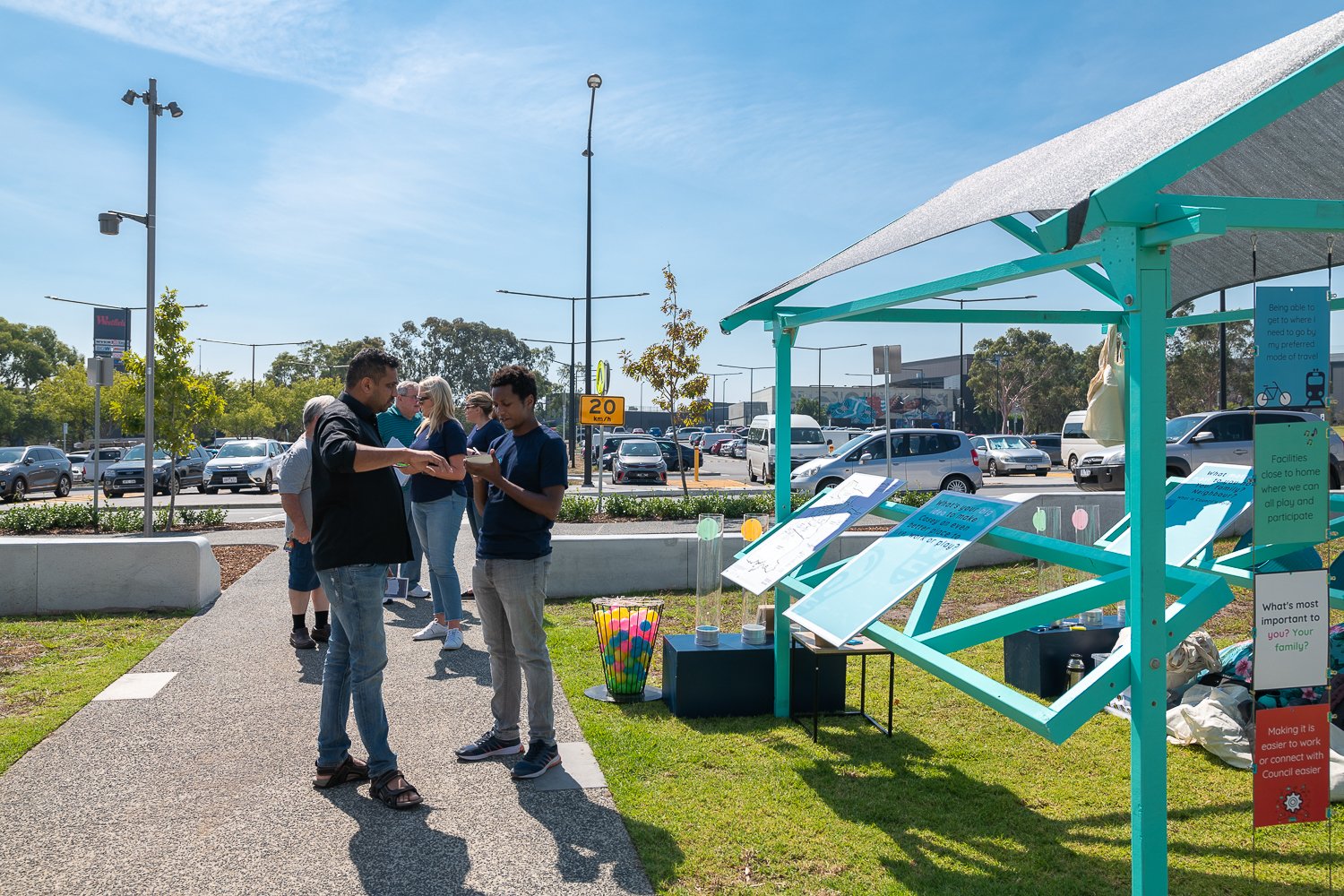
Why Engaging the Community Early in a Development Project is a Smart Move
Developers who engage early don’t just avoid battles, they build better projects. Get the community onside, work with businesses, and make sure emergency services, councils, and stakeholders aren’t blindsided. We’ve seen some of the positive benefits first hand from our clients.
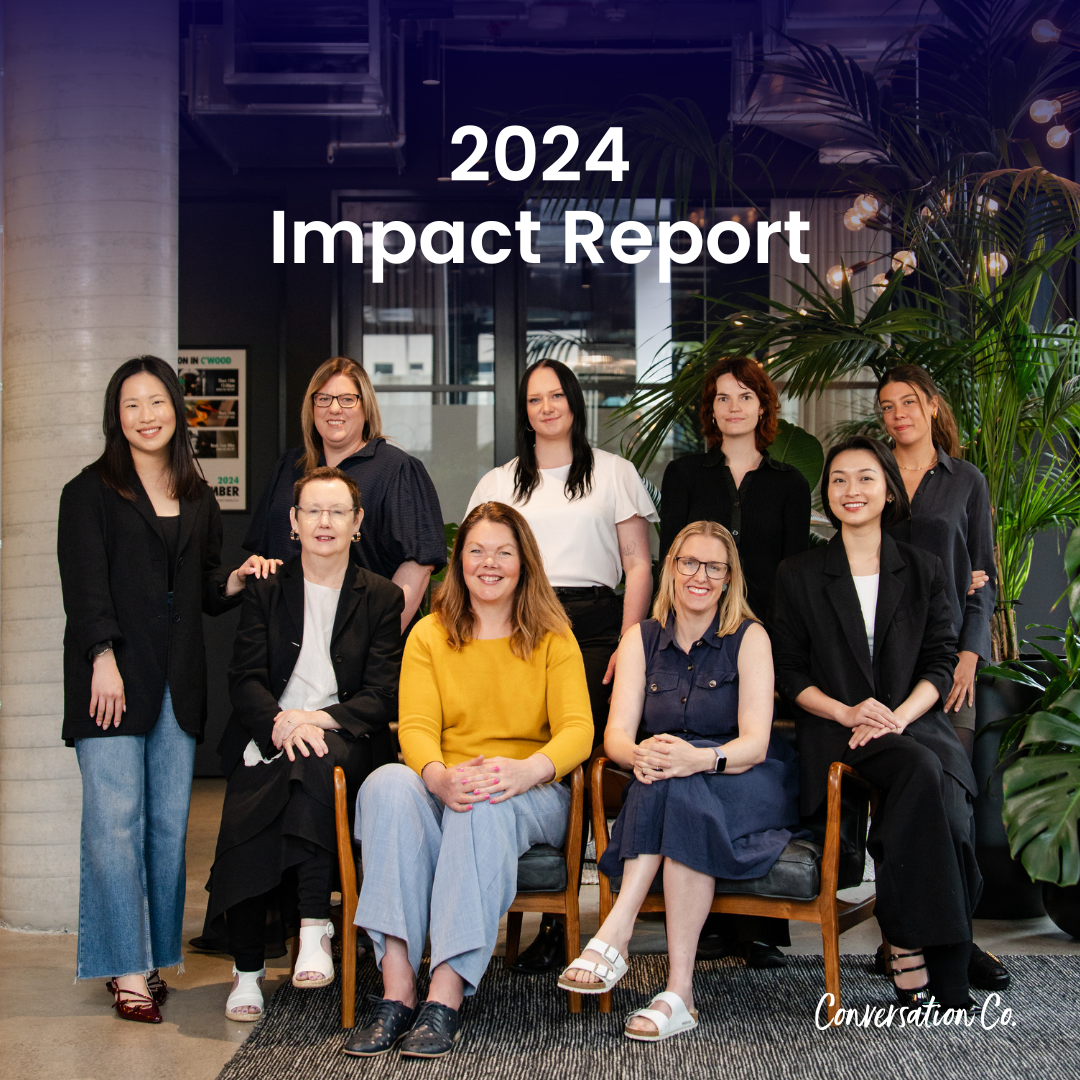
Impact Report 2024
At Conversation Co, 2024 was a year of community-led impact and growth. We took a moment to reflect on our achievements, challenges, lessons learned — and what's on the horizon for 2025.
With sustainability being the core of our practices, we are committed to using our business as a force for good. We strive to create tangible and lasting impacts for the planet and the people, one conversation at a time.

Navigating the Misinformation Maze: Engaging Communities Amid Disinformation Challenges
The spread of misinformation and disinformation is a major factor in our social and political landscape today. This has affected our ability to communicate and work together on some of the big issues we face; supporting public health, addressing climate change, maintaining a stable democracy, ensuring rights and responsibilities.
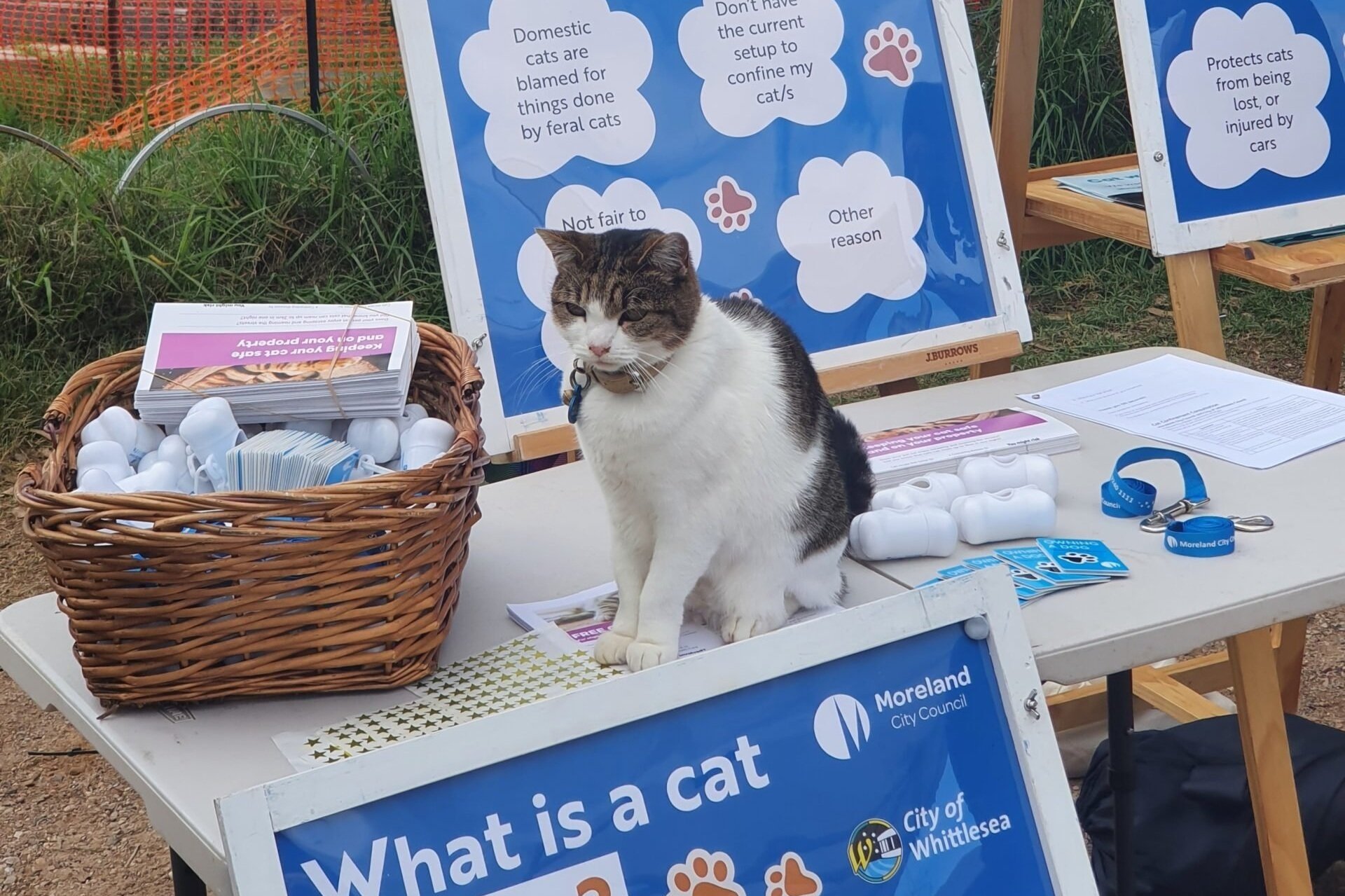
Preparing your next Domestic Animal Management Plan
Conversation Co is experienced in supporting councils to develop their DAMPs — whether it is engaging with the community stakeholders, workshopping the objectives and actions with your internal teams, or writing the DAMP.
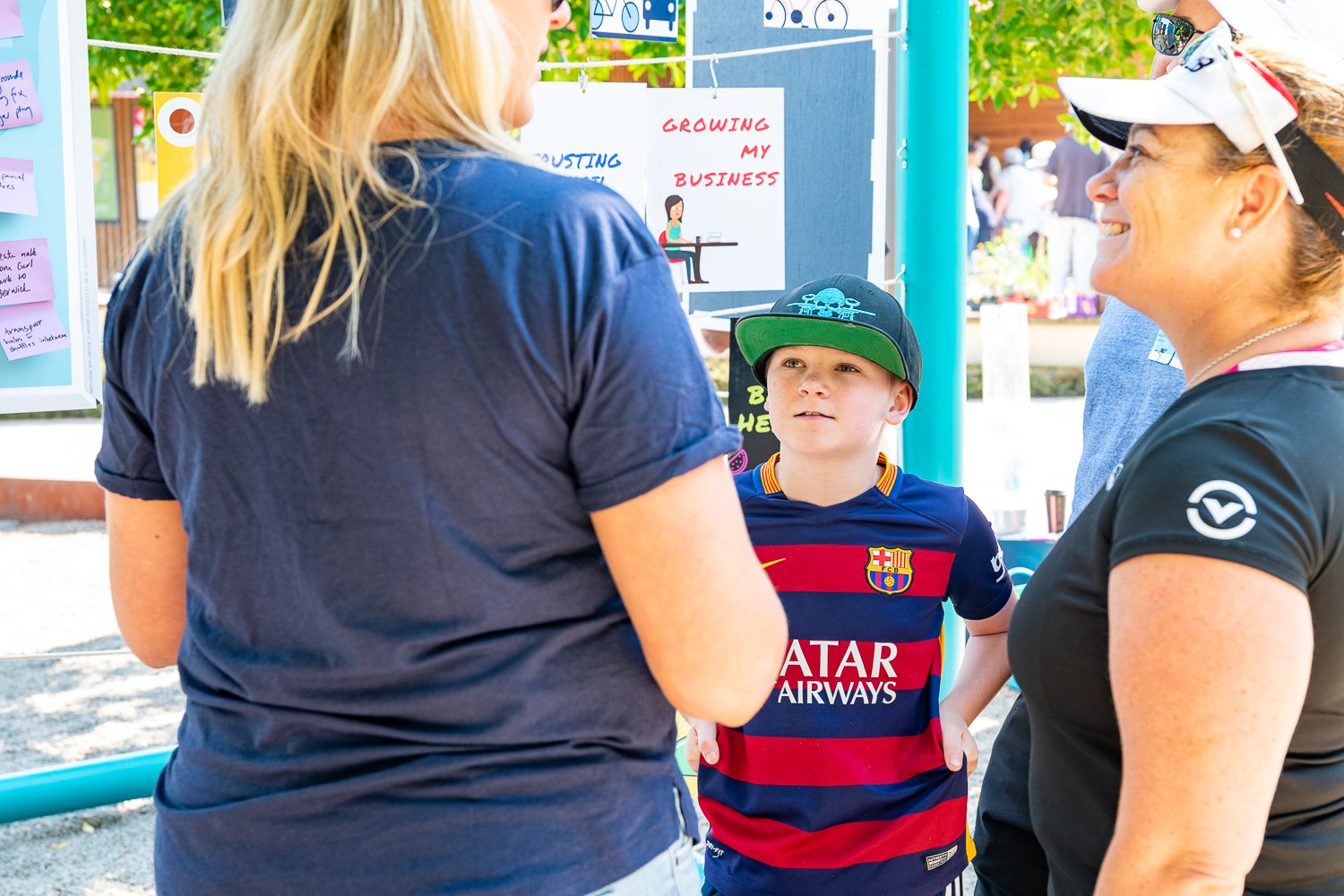
How to Maximise the Community’s Involvement & Interest in your Project
We know community engagement is necessary in delivering projects and council initiatives that matter to the community. Apart from the usual methods of engagement (e.g. developing an engagement and communications plan for the project period, coordinating pop-ups), how else can we maximise the community’s interest and involvement in a project?

Community Feedback in Action: Council Case Studies
So we talked to your community — what actually happened after that? We work on a wide range of projects, with the engagement phase scheduled at the start, middle, and/or end of each project. Some projects involve decision-making very much in the public domain, whilst others can be ‘quiet’ engagement exercises.
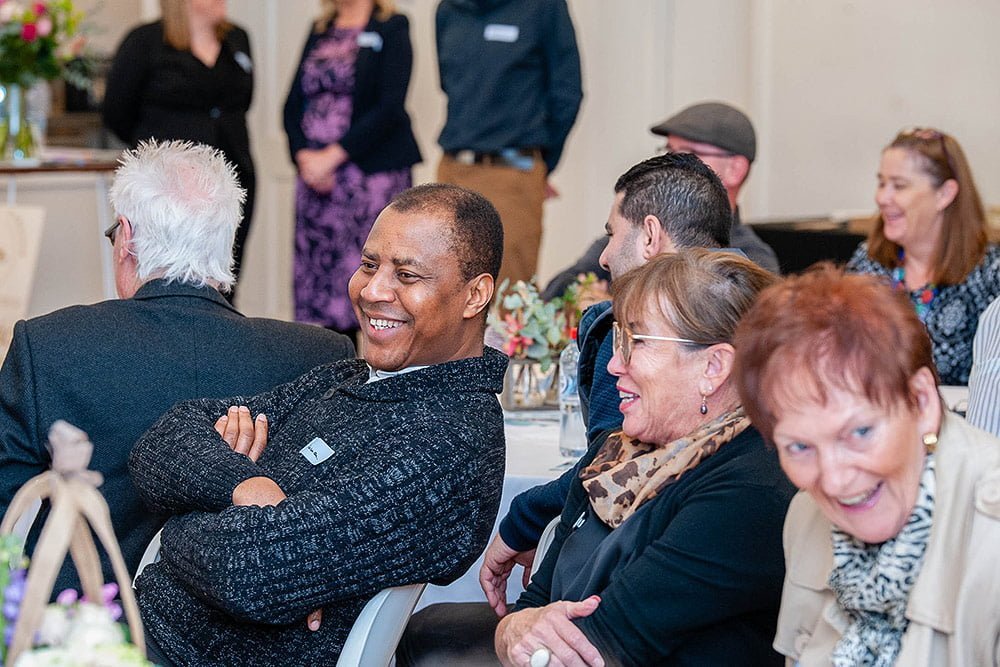
Facilitation Microskills Guide
It’s important to understand that facilitation is not only about the others in the room, it starts with you. The key to a productive session is ensuring that you are performing at your best and taking the steps necessary to get you into that optimal state.
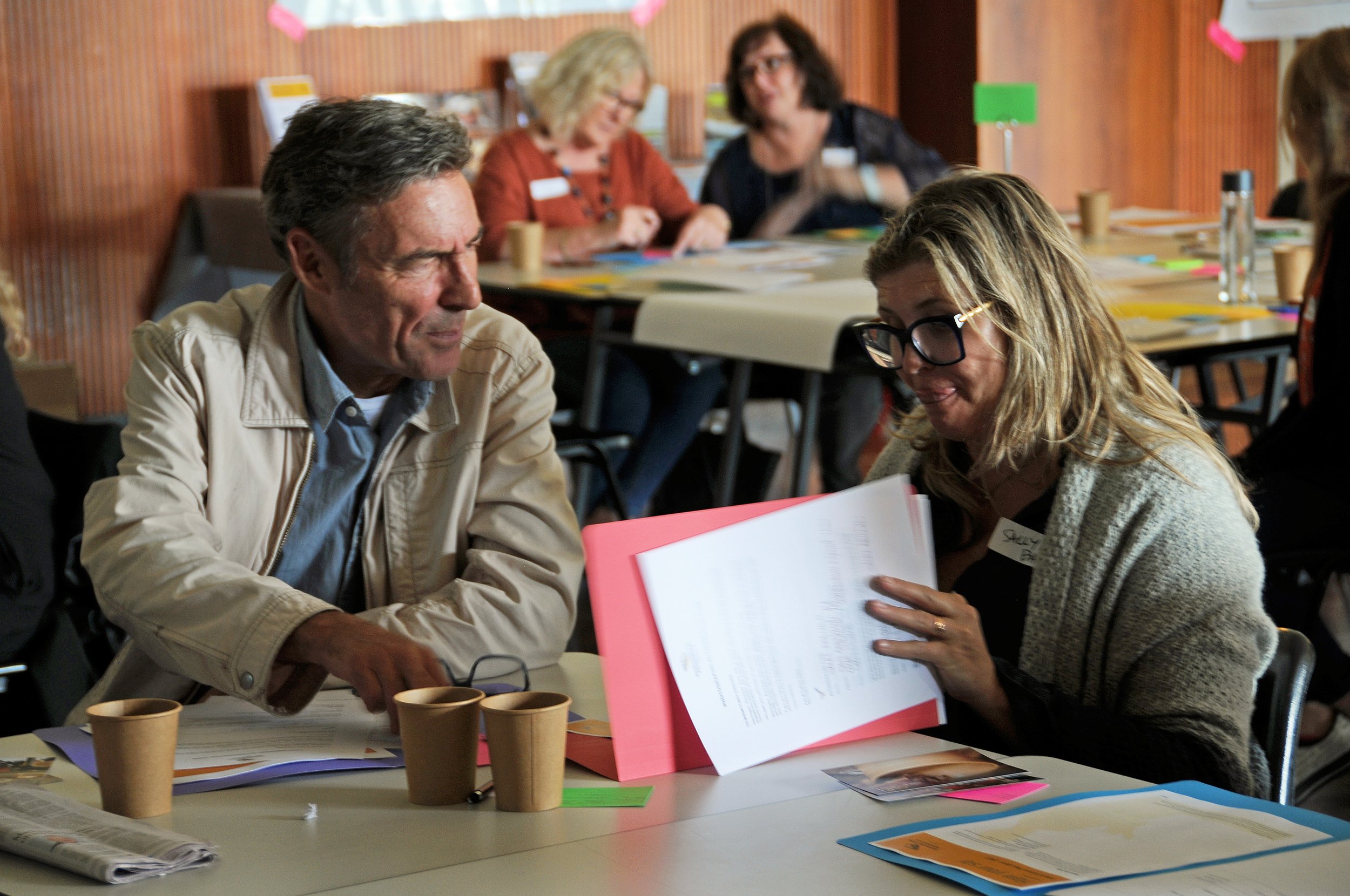
Practice Guide: Evaluating the Effectiveness of a MPHWP
Evaluation is a crucial element of all strategic planning. As we come to a new planning cycle of Municipal Public Health and Wellbeing Plans (MPHWP), we encourage you to take the time to evaluate and reflect on your current MPHWP.